
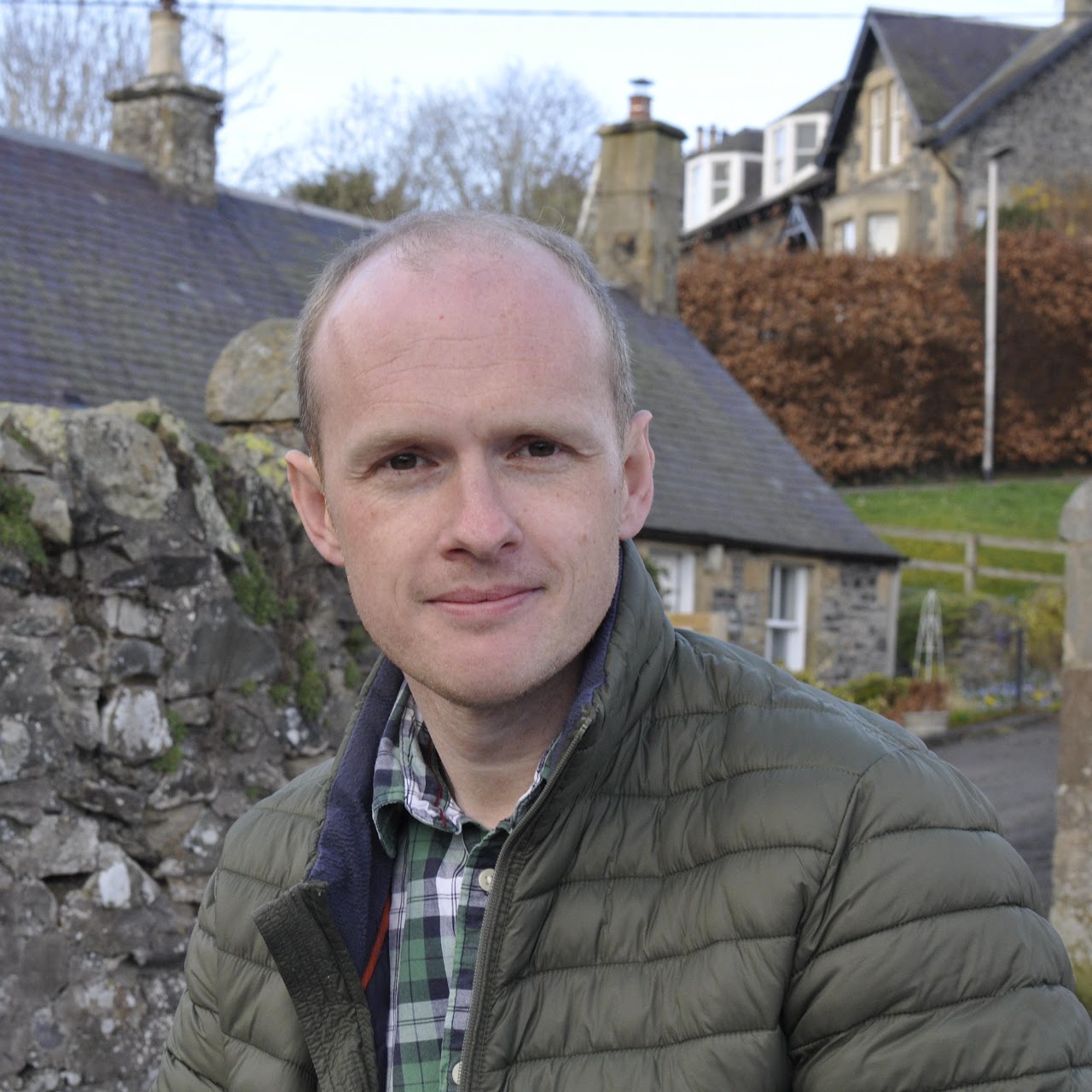
Mathew Horrocks
Team Leader
Mathew was born and brought up in Halifax, West Yorkshire, before studying Chemistry at Oriel College, University of Oxford. He did his Master's project with Professor Mark Wallace, where he was first introduced to single-molecule techniques. Following this, he moved to the University of Cambridge to work with Professor David Klenerman, developing microscopy techniques to study the protein aggregates formed in neurodegenerative disorders, such as Parkinson’s and Alzheimer’s disease. Following a brief stint researching in New South Wales, Australia, Mathew returned to Cambridge in 2016 to take up a Junior Research Fellowship at Christ’s College, and a Herchel Smith Fellowship at the University of Cambridge. He moved to the University of Edinburgh to head the ESMB Group in January 2018. He became Senior Lecturer in 2022, and was promoted to Professor in 2024. He has won numerous awards, including the Royal Society of Chemistry's Joseph Black Award (2022), and was a Blavatnik UK Awards Finalist for Chemical Sciences in 2026 (https://www.youtube.com/watch?v=hLTt-IQBS6s). When not in the lab, Mathew enjoys competing in triathlons, and has completed an Ironman in Weymouth (2016).
Ji-Eun Lee
PDRA
Ji-Eun joined the lab in April 2021 as a post-doctoral research associate. She comes from a background of Physical Chemistry. During her PhD, she focused on determining the single-molecule fluorescence dynamics of various π-conjugated multichromophoric systems to design optimal molecular devices. This also involved developing confocal and wide-field fluorescence microscopy approaches in Prof Dongho Kim’s laboratory in the Department of Chemistry, Yonsei University, South Korea. To broaden her skillset, especially in the subjects of biophysics and super-resolution imaging, she joined Prof Sir David Klenerman and Dr Steven F. Lee at the University of Cambridge in July 2015. Within this post, she was part of the team that developed spectrally-resolved PAINT (points accumulation for imaging in nanoscale topography) or sPAINT. Using this, she characterised individual α-synuclein protein aggregates formed in Parkinson’s disease. To gain experience in live cell imaging, she subsequently moved to work with Prof Mark Leake at the University of York in 2018. She investigated protein aggresomes showing liquid-liquid phase separation in living cells using millisecond timescale Slimfield microscopy. And she also worked on exploring DNA gyrase activity in living cells associated with DNA topology. She worked in the group on a collaboration with UCB Biopharma for tau aggregate detection, followed by a project with Professor Vicky MacRae on mitochondrial dysfunction in vascular calcification. She is now working on a Michael J. Fox Foundation funded project on the development of MRI probes.
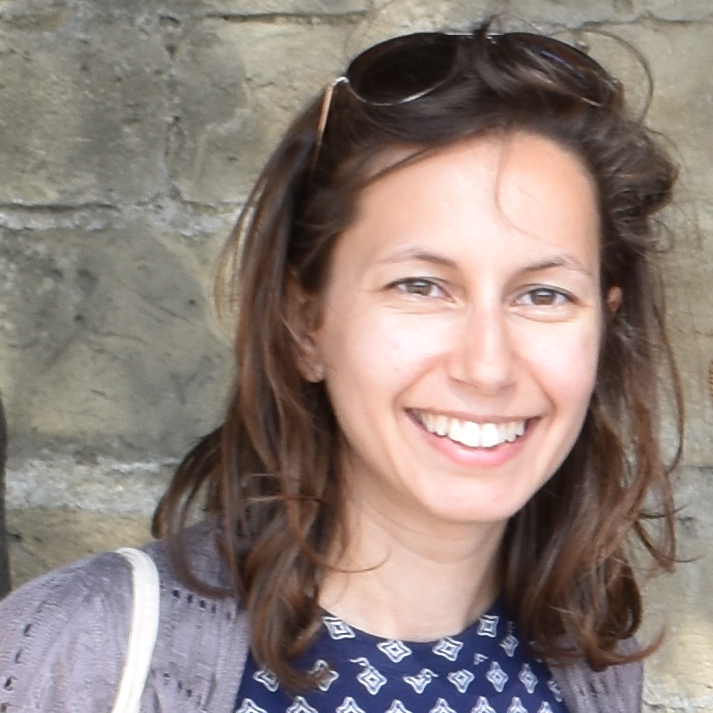
Rebecca Saleeb
MND Association Lady Edith Wolfson Junior Fellow
Rebecca joined the lab in January 2021 as a post-doctoral research associate. Rebecca comes from a background of Cell Biology and Biotechnology, having completed a BSc(Hons) in Cell Biology at Durham University and a Masters in Biotechnology at the University of Queensland. Her strong interest in interdisciplinary science and passion for understanding the mechanisms of cellular biology through imaging technology led her to specialise in optical microscopy. Rebecca completed her PhD in the labs of Dr Paul Dalgarno and Prof Rory Duncan, working at the biophysics interface to apply next generation imaging technology to the life sciences, and in particular towards understanding the final stages of autophagy. She since spent four years as a bio-imaging specialist/bio-imaging facility manager sequentially at the Edinburgh Super-Resolution Imaging Consortium, Lisbon’s Champalimaud Centre for the Unknown and Queen Mary University of London, where she helped researchers answer diverse questions of biology spanning the fields of neuroscience, cancer, immunology and cardiovascular biology. Rebecca pursued a dedicated research project within the Horrocks lab in collaboration with UCB Pharmaceuticals, where she used single-molecule microscopy to explore the structure and pathogenic capacity of α-synuclein aggregates, a hallmark of synucleinopathies such as Parkinson’s Disease. She is now a Edith Lady Edith Wolfson Non-Clinical Research Fellow for the Motor Neuron Disease Association.
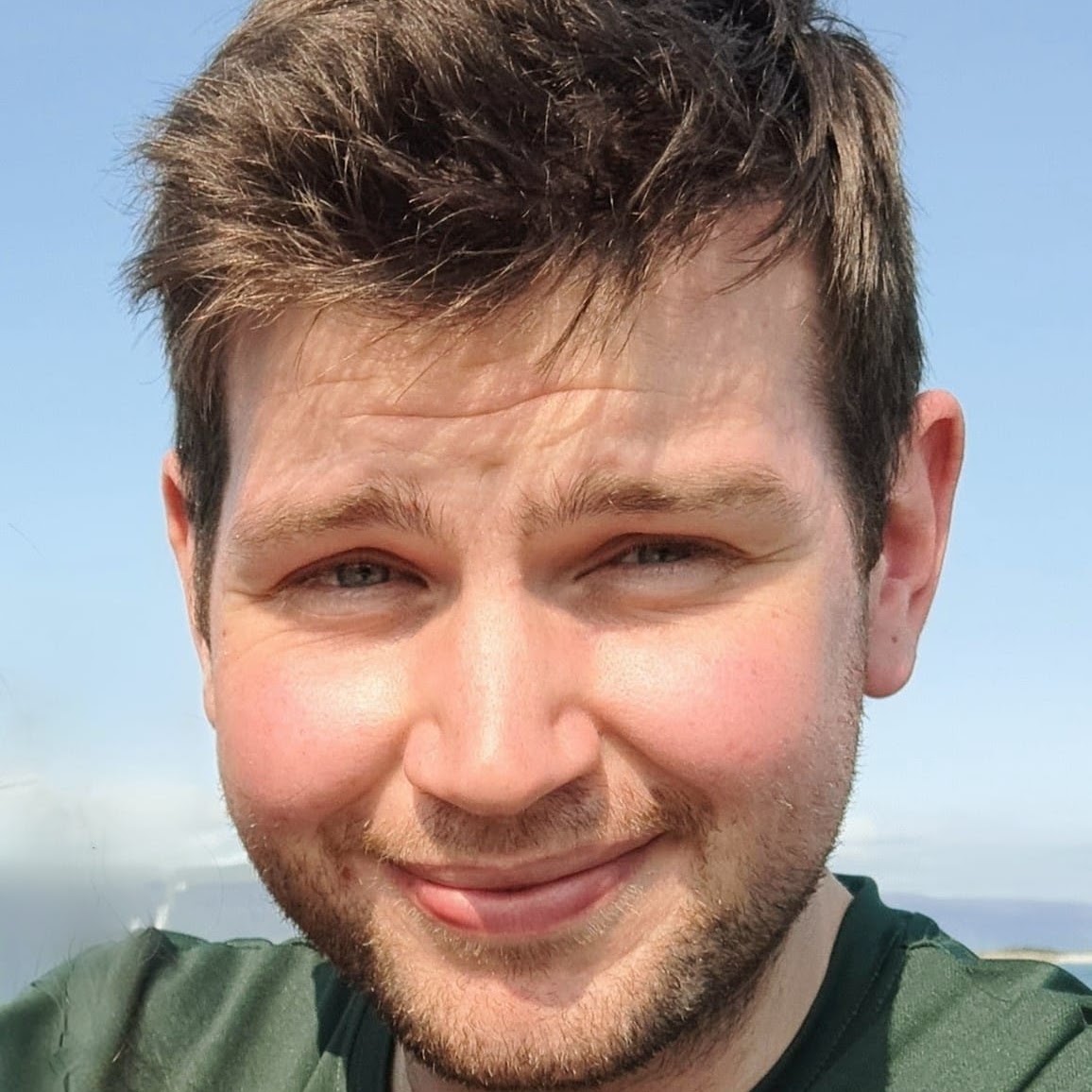
Dan Edwards
Chief Scientist Office Post-Doctoral Fellow
Dan joined the lab in September 2024 as a postdoctoral research associate. He obtained an MChem from the University of Lincoln where he spent a year in industry designing protein PEGylation methods for applications in biopharmaceuticals. More recently, he completed his PhD working with Prof. Scott Cockroft and Dr Amanda Jarvis at the University of Edinburgh. His PhD investigated the discovery of pore-forming peptides and the synthetic modification of transmembrane proteins. He worked on a joint project with Prof. Scott Cockroft and the ESMB, focusing on the development of super-resolution microscopy techniques for the analysis of transmembrane systems. He is now a Chief Scientist Office Fellow, working on biomarkers for Parkinson's disease. In his spare time Dan enjoys exploring the Scottish highlands and islands by foot and by bike and is a keen badminton player.
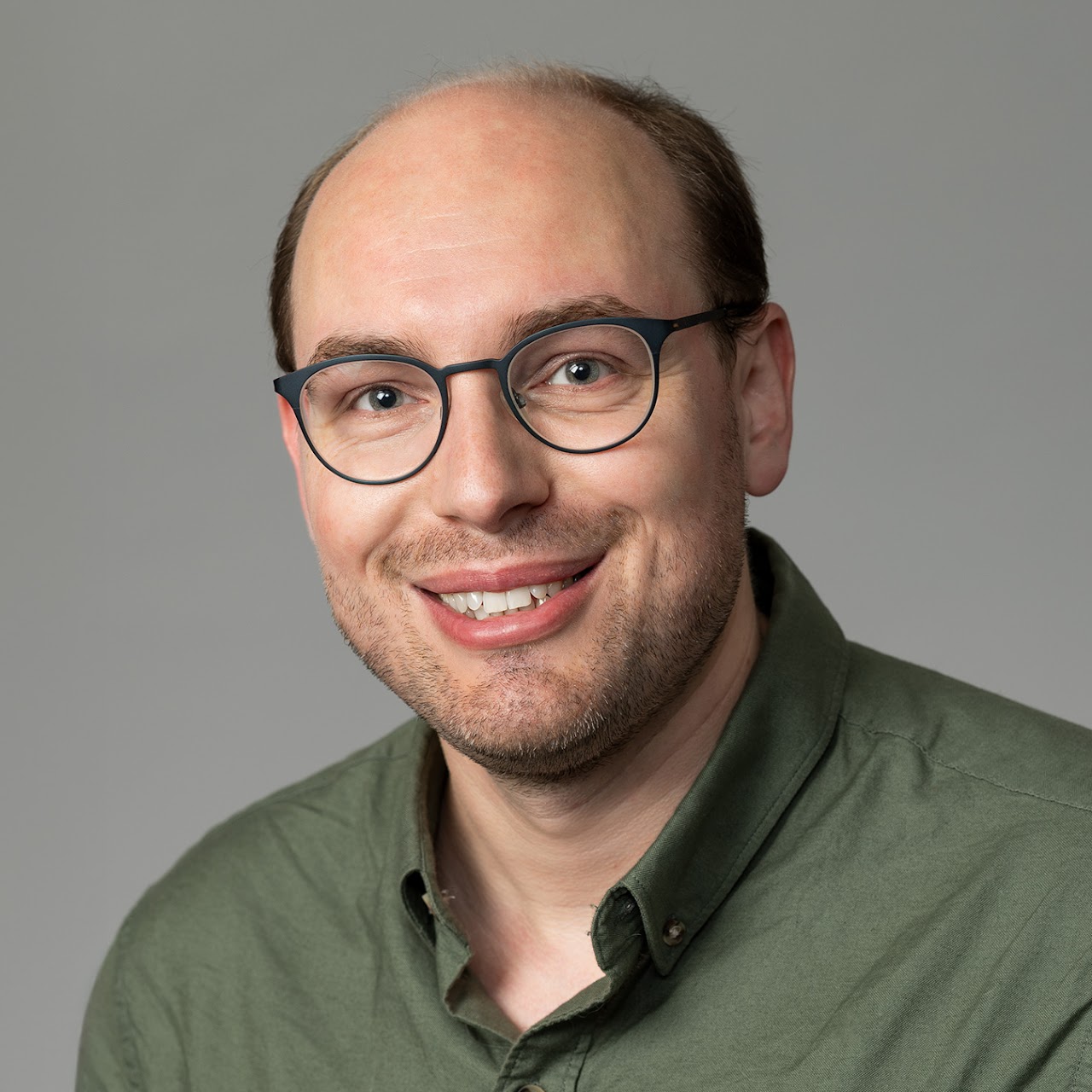
Krzysztof Bąk
PDRA
Krzysztof joined the lab in June 2025 as a postdoctoral research associate. His background is in supramolecular and physical organic chemistry. Krzysztof completed his PhD at the University of Warsaw in the group of Dr Michał Chmielewski, where he worked on anion recognition by artificial receptors and its application to the synthesis of interlocked structures and transmembrane transport. He then moved to the University of Oxford to work with Prof. Paul Beer, Prof. Jason Davis, and Prof. Kyriakos Porfyrakis, developing fullerene- and polymer-based systems for selective ion recognition. Following this, he joined Prof. Scott Cockroft’s group at the University of Edinburgh, where he investigated molecular machines using nanopores, designed molecular torsion balances for measuring non-covalent interactions, and collaborated with the Horrocks group to develop single-molecule approaches to study membrane permeabilization. In collaboration with UCB, Krzysztof is currently focusing on polymer-based signal amplification strategies to enable rapid biomarker identification for Parkinson’s disease in biofluids. Outside the lab, he enjoys watching movies and playing tabletop games, particularly Magic: The Gathering.
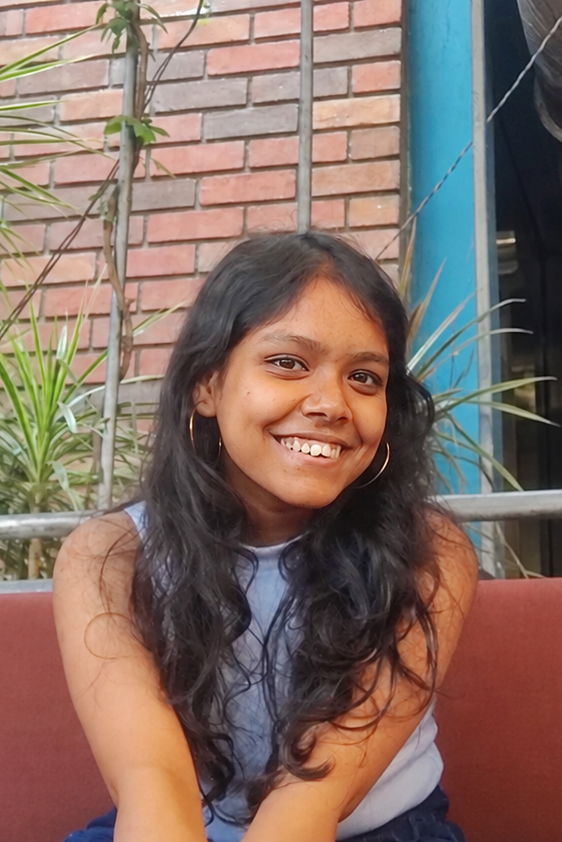
Tiasa Das
PhD Student
Tiasa is a PhD student funded by Medical Research Scotland and Northern Light Microscopy, co-supervised by Dr Michael Rimmer. Before joining the lab, Tiasa completed a BSc in Biotechnology, Chemistry and Zoology at Christ University, Bengaluru. She then moved to University College London for an MSc in Chemical Research, where her dissertation focused on metal oxide-supported gold nanocatalysts for benzyl alcohol oxidation. Alongside her studies, Tiasa gained research experience at the Indian Institute of Technology Jodhpur, working on nanoparticle-based bioimaging and drug delivery systems against oropharyngeal cancer. Her research focuses on developing a single-molecule blood test for earlier detection of ovarian cancer, extending the lab's VISTA platform to profile tumour-associated antigens on extracellular vesicles.
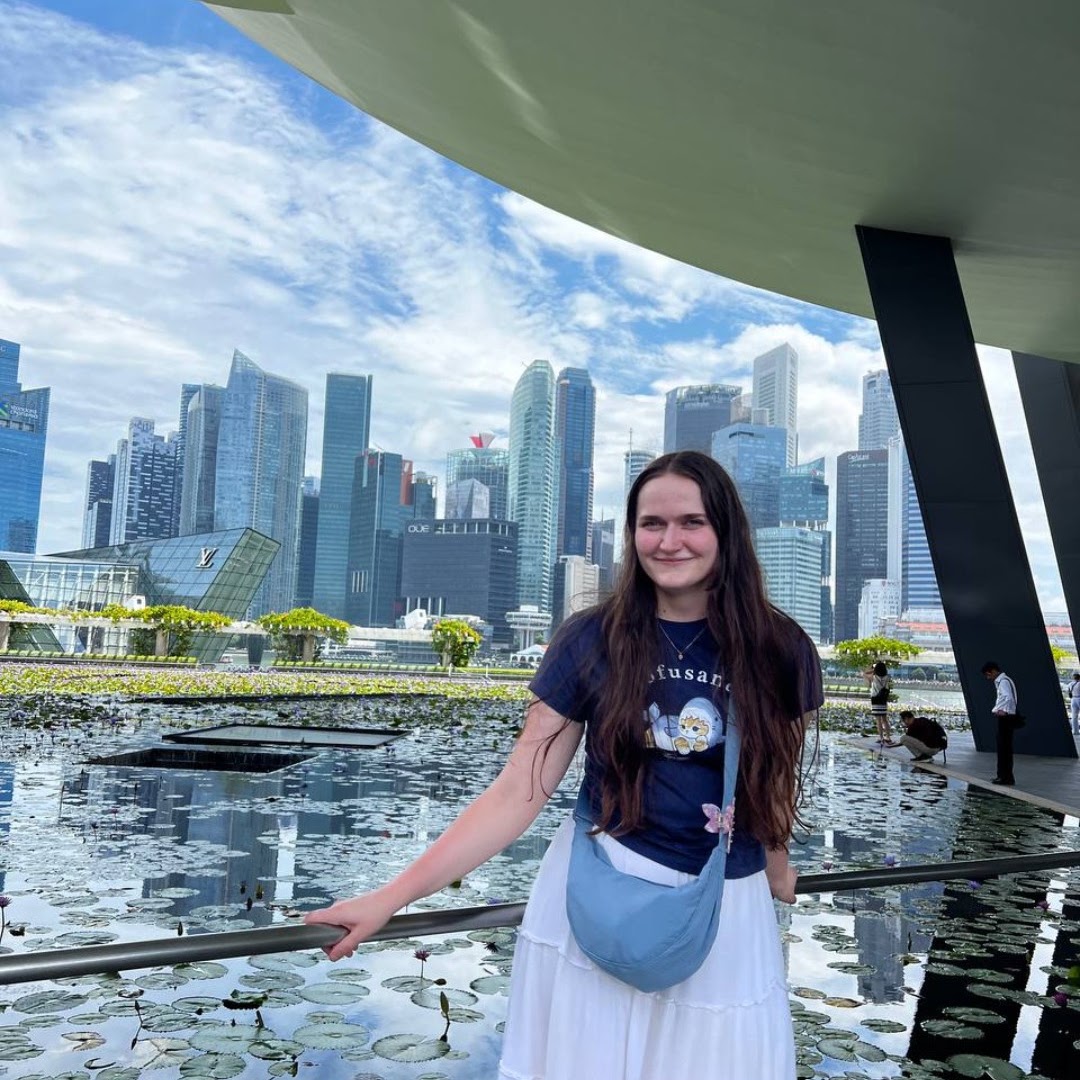
Amelia Beckett
PhD Student
Amelia is a PhD student jointly funded by BHF REA4 and the School of Chemistry, supervised by Prof Mathew Horrocks and Prof Anna Williams. She started her PhD at the University of Edinburgh in September 2026, following completion of her MScR in Integrative Neuroscience, where she investigated how distinct physiological and pathological stress conditions differentially regulate neuroimmune signalling. Prior to this, she completed a BSc in Biomedical Sciences, investigating the impact of microglial knockout on astrocytic gliosis and secondary neurodegeneration following ischaemic stroke. During her PhD, Amelia will use single-molecule and advanced imaging techniques to investigate how metabolism changes in brain endothelial cells and other brain cell types in cerebral small vessel disease, and how these metabolic changes may contribute to vascular dementia. She will also investigate whether disease-associated metabolic changes can be reversed using targeted metabolic interventions. Outside the lab, Amelia is an active clarinettist and enjoys travelling, camping, and hiking.
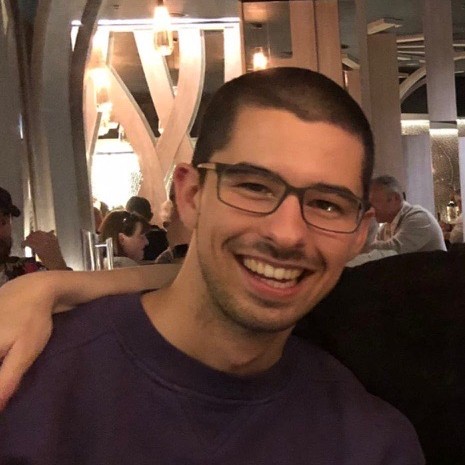
Nicolas Martinez-Wise
PhD Student
Nic completed a BSc in Neuroscience at the University of Edinburgh in May 2025. His dissertation project was based in Seth Grant's lab, where he investigated synaptic protein diversity in the human brain. Following his degree, he remained in the lab for a year as a research assistant, developing image analysis tools and analytical workflows for large synapse datasets. In June 2026, he began a joint PhD in the ESMB and Grant laboratories. His research interest centres on understanding how brain-wide synapse diversity contributes to information processing and the generation of complex behaviours. His work aims to address this by investigating species-specific proteomic properties of synapses and how these relate to brain function and evolution.
Ellie Hansen
PhD Student
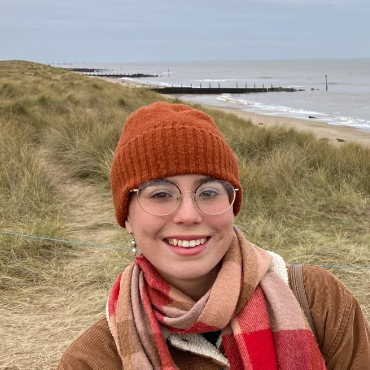
Ellie is a PhD student funded by the E5 DTP, and co-supervised by Dr Vicky MacRae. Before joining the group in 2025, Ellie completed her MSc by research at the University of York, where she worked on tracking single proteins in bacteria, to investigate their role in stress-induced aggregates. Before this, she completed her BSc in Biomedical Genetics at Newcastle University, with her dissertation project investigating the role of a changing epigenetic landscape in leukaemia. During her PhD she will be working to detect and image Pm 2.5 particles (super-fine particles found in air pollution) in the brain, using various forms of microscopy. In this project she will aim to further understand the role of air pollution in neurodegenerative disease, such as Parkinson’s Disease.
Muye Liu
PhD Student
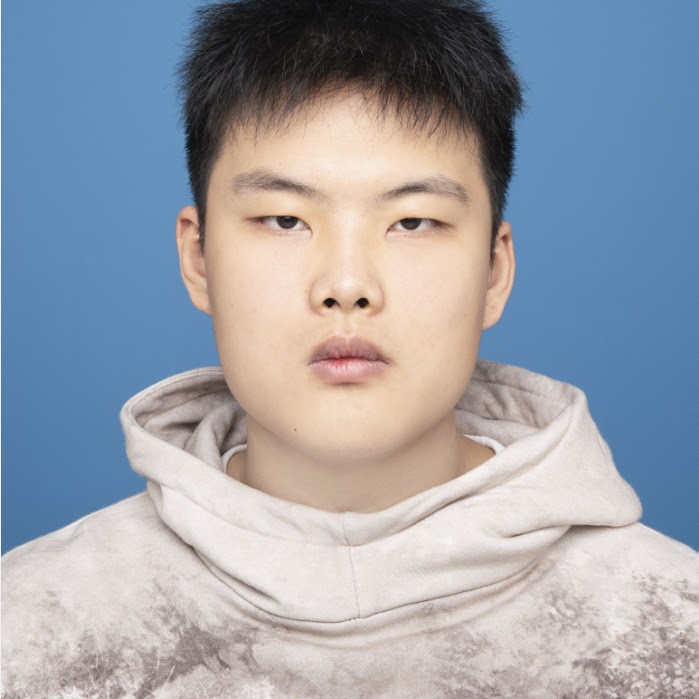
Muye Liu is a PhD student in the Horrocks group at the University of Edinburgh, co-supervised by Prof. Mathew Horrocks, Dr. Chloe Stanton, and Prof. Paul Barlow. His research focuses on the conformational dynamics of complement Factor H and its role in complement regulation, using single-molecule FRET and super-resolution microscopy. He also completed his MSc in Medicinal and Biological Chemistry in the Horrocks group, where he studied TDP-43 aggregation and recovery. Outside the lab, Muye enjoys basketball, cycling, and photography.
Sofia Olendraru
PhD Student
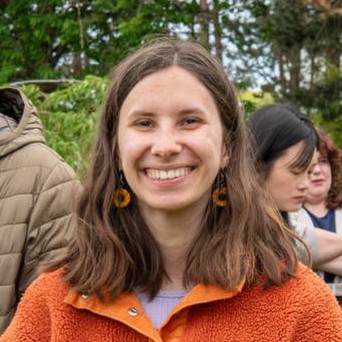
Sofia grew up in Romania and France before moving to the UK in 2020 for her undergraduate Chemistry degree at the University of Oxford. Her final year Master's project, supervised by Prof Susan Perkin, investigated the role of zwitterions at charged interfaces. She then moved to Edinburgh in September 2024 for her PhD which is co-supervised by Dr Lingcong Meng and funded by the University of Edinburgh School of Chemistry. Her research focuses on designing nanopore systems for the characterisation of liposomes and extracellular vesicles. In her free time Sofia enjoys reading, pub quizzes, and pole dancing. She also co-hosts the award-winning podcast PERIODically which explores the intersection of menstruation and academia.
Maja Matoga
PhD Student
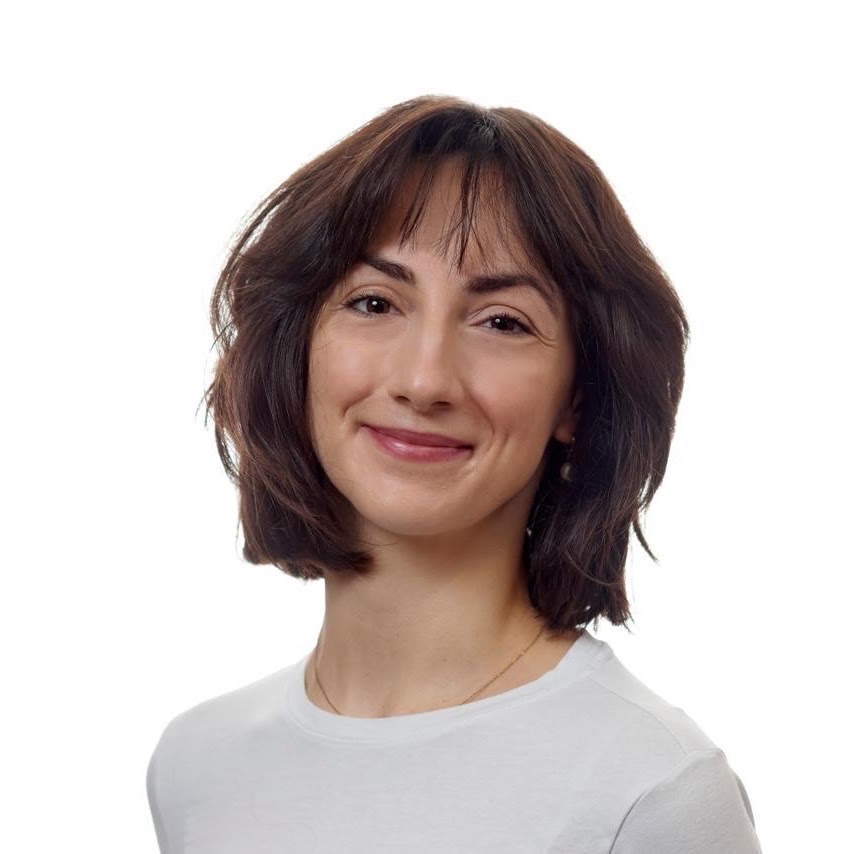
Maja is a PhD student funded by the Euan Macdonald Centre and co-supervised by Dr Chris Sibley. Before joining the lab, Maja completed a BSc in Biochemistry at Imperial College London. As part of her degree, she conducted a placement year in the group of Prof. Frédéric Allain at ETH Zürich, where she worked on the structure of RNA-binding proteins involved in splicing regulation. Maja then moved to the University of Edinburgh for her MSc thesis in the group of Dr Kathryn Bowles. There she studied the RNA-binding protein ELAVL4 and its role in abnormal glutamatergic signalling observed in tauopathies. Currently, she is continuing her interest in RNA-binding proteins and their role in neurodegeneration by researching the role of TDP-43 mis-splicing events in the development of motor neuron disease.
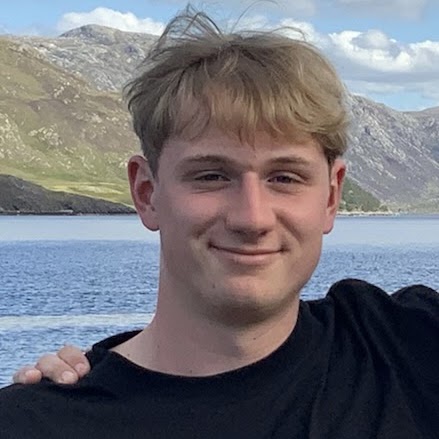
Ryan Ferguson
PhD Student
Ryan originally did his Master's research project in the group working on the detection of cryptic exons and extracellular vesicles associated with ALS. He is now a CASE-funded PhD student in the group working with UCB biopharma on the detection and characterisation of alpha-synuclein.
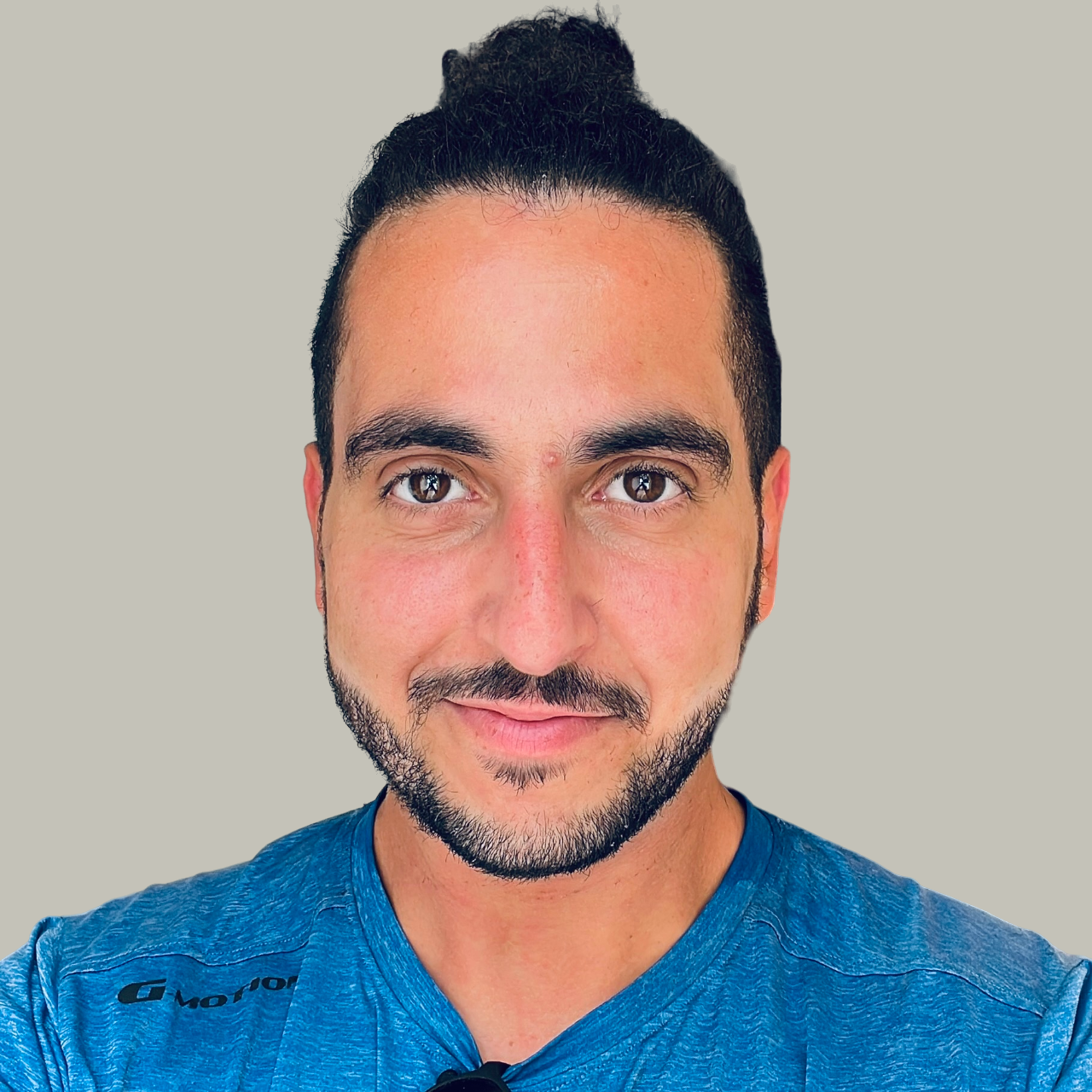
John Girgis
PhD Student
John is a PhD student in the Professor Horrocks's group as part of the 2024 EASTBIO Doctoral Training Program, and is co-supervised by Dr. Jelena Baranovic at the School of Biological Sciences. John grew up seeing a lot of Dubai, Cairo, and Ottawa. John completed his B.Sc. and M.Sc. at the University of Ottawa, and has a background in transcriptional regulation and skeletal muscle adaptability. He has since then worked in Boston and Paris with the iGEM foundation, and briefly worked as a technician in an Algae biotechnology laboratory focusing on high-value terpenoid production. Most recently, John worked as a lab manager under the supervision of Pierre Magistretti in Jeddah, Saudi Arabia. There, John fell in love with the idea that neurons manage their energy use and signal transmission locally, meaning neuronal activity results from complex, small-scale decision-making that is not well understood. His work in the ESMB Group is focused on tracking and measuring the behaviour of AMPA Receptors using fluorescent snail-derived tagging molecules. He hopes that his work will be informative for both the physical pre-requisites and limitations of synaptic plasticity. Outside of work, John enjoys going to the movies, badminton, and is an avid coffee lover.
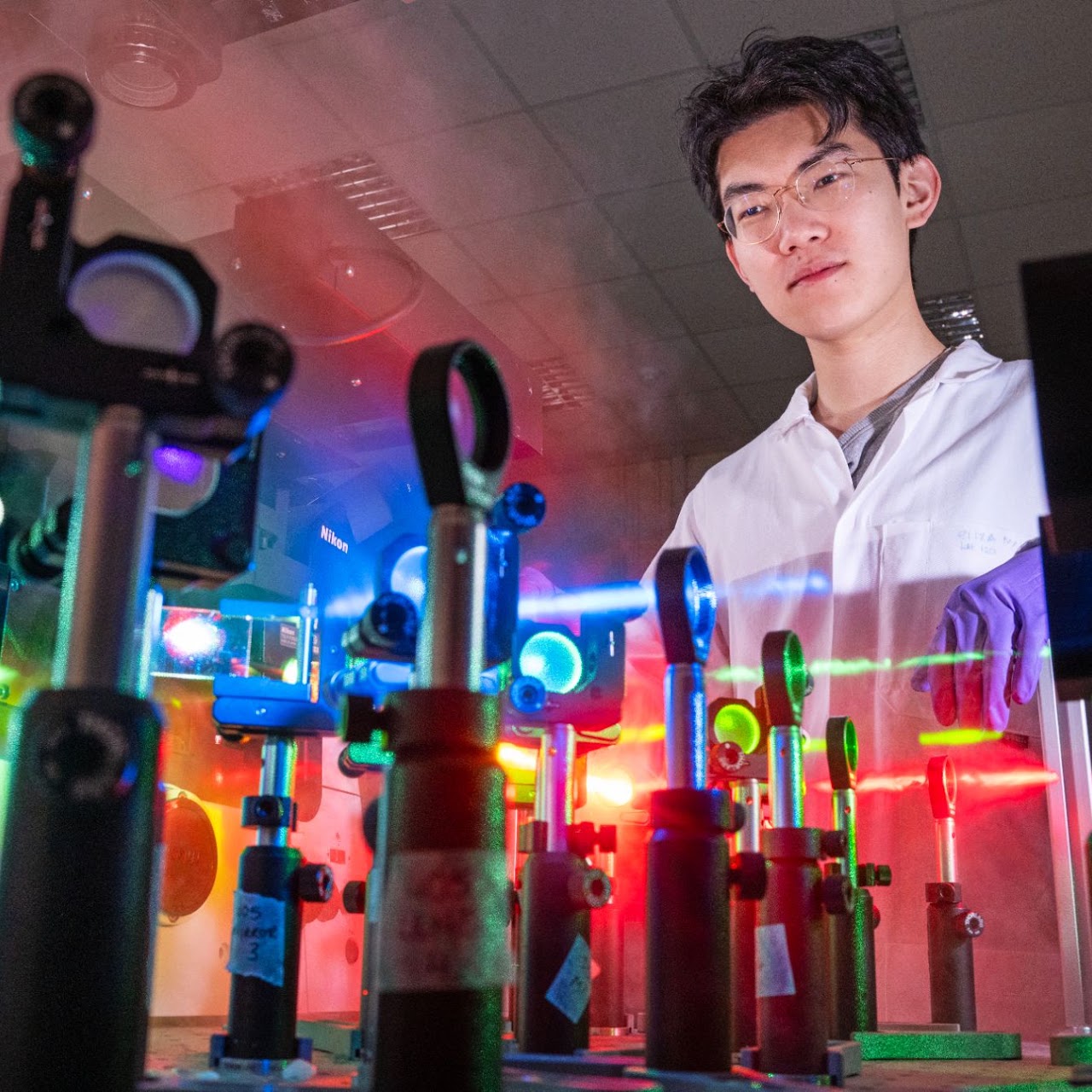
Tianxiao Zhao
PhD Student
Tianxiao Zhao joined the Lab in August 2023 as a research assistant, and started his PhD in December 2023, funded bu the Eureka Foundation. He received his Bachelor’s degree in Chemistry at China Agricultural University in 2022. He then moved to University of Edinburgh and did his Master’s project with Prof. Mathew Horrocks, where he was first introduced to single-molecule detection with optical methods. He studied the protein aggregates that related to Amyotrophic Lateral Sclerosis (ALS) with super-resolution imaging techniques. Currently, Tianxiao’s research interests are centred around the detection of RNA sequences associated ALS using confocal microscopy. He is committed to find a biomarker for this incurable disease. Beyond the Lab pursuits, Tianxiao also finds balance in his life through badminton and the artistry of photography.
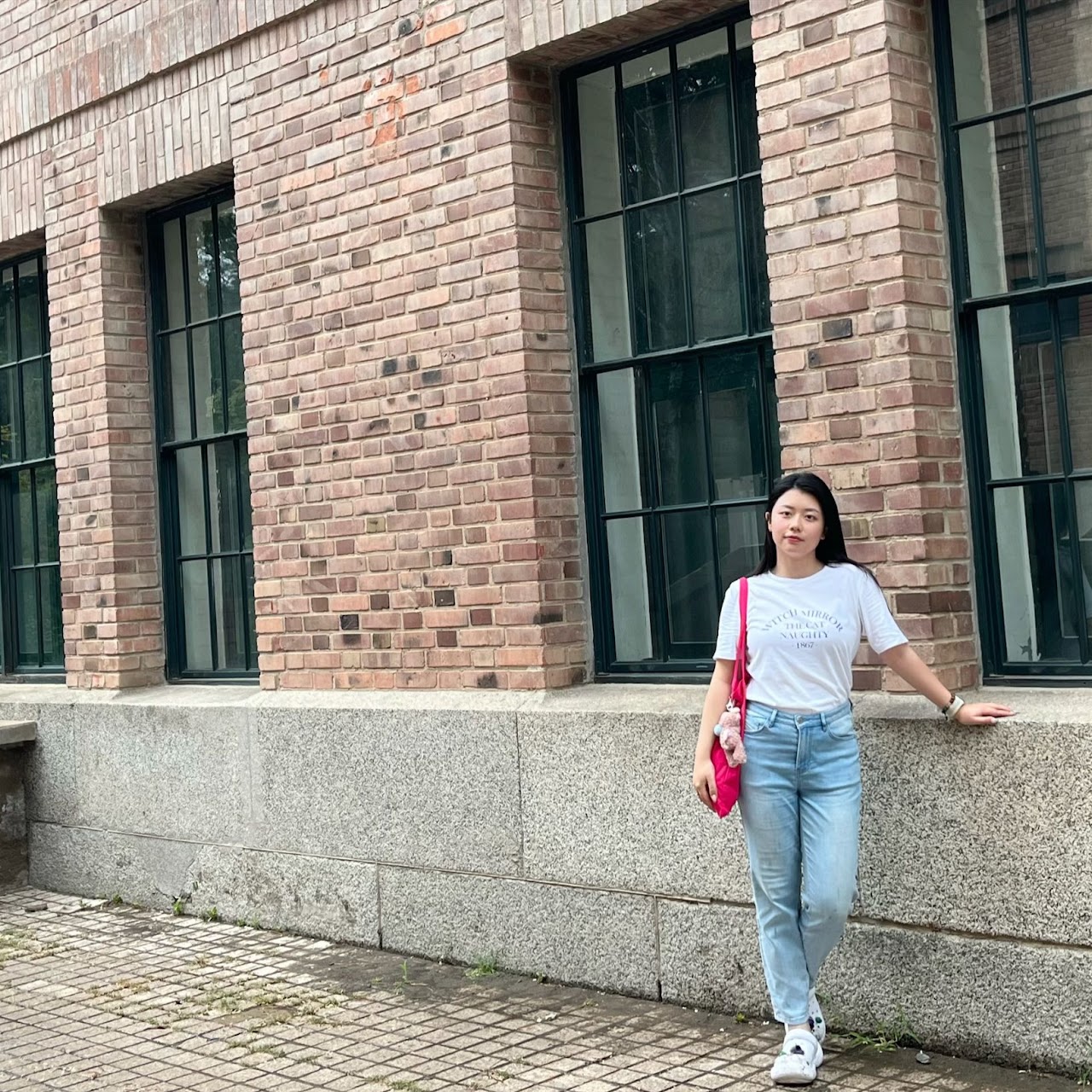
Xiao Tan
PhD Student
Xiao, who is also called April, joined the lab in September 2023 as a joint PhD student between Prof. Mathew Horrocks’s and Dr. Vicky MacRae’s group. Before this, she has completed a Master’s Degree in Phathology and Phathophosiology at Guangzhou Medical University in China. During that period, she gained aboundant scientific training both for critical thinking and experimental skills. Her project will aim to investigate the role of mitochondria during the calcification of arteries. The project will test the hypothesis that mitochondrial elongation and dysfunction underpins arterial calcification, it will apply machine learning protocols to a super-resolution microscopy approach to assess mitochondrial morphology in vascular smooth muscle cells (VSMCs). In parallel, established laboratory techniques will be used to induce and assess calcification in VSMCs, including qPCR, Western Blotting and immunofluorescence staining etc. Assessment of fixed cells by super-resolution microscopy with DNA-PAINT will determine spatial expression and location of individual mitochondrial fission/fusion regulators. Mitochondrial function will be investigated through biomedical assays. Finally, functional studies will establish the individual effects of knock out or overexpression of specific mitochondria regulators on VSMCs calcification, through CRISPER-Cas9 gene editing/activation protocols. Outside the lab, she enjoys time in singing, dancing and working out in the gym. She can also play the piano and swim. :)

Candace Adams
PhD Student
Candace joined the Single-Molecule Biophysics group as a PhD student as part of the EASTBio scheme. Prior to this, Candace was a Senior Research Scientist at LightOx Ltd. She is working on the structure of post-synaptic complexes in a collaborative project with Professor Seth Grant.
Previous members
Takeshi Kaizuka (2021-2026)
Takeshi was a PDRA in the group and contributed to single-molecule imaging of synaptic proteins. He developed an approach to measure molecular density of scaffolding proteins in the post-synaptic densities.
Dr Noelia Pelegrina-Hidalgo (2021-2026)
Noelia was a PhD student in the group working on the development of VISTA for extracellular vesicle detection in Parkinson's disease. She was funded by Medical Research Scotland and Oxford Nanoimaging.
Beth Fisher (2026)
Beth was an M.Sc. student in the group working with Sofia on an ovarian cancer related project. She isolated extracellular vesicles from conditioned media, and explored which markers were present on their surfaces using VISTA.
Martha Tulley (2026)
Martha visited the lab as an undergraduate student during the summer of 2026, and worked with Beth and Sofia on isolating ovarian cancer extracellular vesicles.
Judi O'Shaughnessy (2022 - 2026)
Judi was a technician in the group working on various projects, including the detection of ALS-related proteins, and the development of STAPull.
Kayla Cockerline (2026)
Kayla was a visiting undergraduate student working with Dan on a project related to liposomes.
Dr Abigail Dos Santos (2024 - 2026)
Abigail joined the group as a PDRA, and worked on the generation and testing of aptamers targetting FUS protein aggregates.
Dr Rachel James (2024 - 2026)
Rachel was a PDRA in the group working on using TDP-43 aptamers to detect aggregates in patient biofluids.
Dr Haresh Bhaskar (2021 - 2025)
Haresh completed his PhD developing the LIVE-PAINT super-resolution approach for live mammalian cells.
Dr Yuanyuan Hua (2025)
Yuanyuan was a PDRA in the group working on the development and integration of SPAD arrays on our instrumentation.
Ashley Brooke McCowin (2025)
Ashley was a visiting undergraduate student from Chicago University, and worked on the generation of an ALS-related cell line.
Ben Smith (2025)
Ben was a joint BSc student with Tilo Kunath, and looked at the lifetime of alpha-synuclein in live cells.
Yihang Gao (2025)
Yihang was an M.Sc. student in the group, and investigated approaches for membrane permeabilisation.
Dr Zuzanna Konieczna (2018 - 2024)
Zuzanna first joined the group as an EASTBio-funded summer student in 2018. She subsequently joined the group as a PhD student in 2020, also funded by EASTBio, and worked on developing full-spectrum fluorescence lifetime microscopy, and peptide probes for fluorescence microscopy.
Zhouyi Lin (2024)
Zhouyi was an M.Sc. student in the group, and researched the generation and release of extracellular vesicles in stressed cells.
Muye Liu (2024)
Muye completed his M.Sc. in the group looking at the recovery of neurons in ALS.
Dylan George (2022 - 2024)
Dylan was a PDRA in the group working with Scott Cockroft's lab on visualising transport through nanopores. He also worked with SPAD arrays, and other instrument developments.
Agustina Sallis Torres (2023 - 2024)
Agustina was a research assistant in the group working on investigating the role of mitochondrial dysfunction in cardiovascular diseases with Dr Vicky MacRae.
Jelle Biemans (2023 - 2024)
Jelle completed his undergraduate project in the group imaging alpha-synuclein in live cells using LIVE-PAINT. He was co-supervised by Professor Tilo Kunath.
Dr Zoe Gidden (2019 - 2024)
Zoe completed a PhD developing the LIVE-PAINT super-resolution technique in mammalian cells. She was co-supervised by Professor Lynne Regan.
Evan Baerg (2023)
Evan was a visiting undergraduate student from Santa Clara University, USA. He worked on the development of aptamers for extracting proteins from complex mixtures.
Dr Katie Morris (2019 - 2023)
Katie completed a PhD studying PSD95 superclusters, which make up a large proportion of the post synaptic proteome. She was co-supervised by Professor Seth Grant.
Tianxiao Zhao (2023)
Tianxiao was an M.Sc. research student in the group, and stayed on as an RA, and is now a PhD student in the group. He works on the detection of cryptic exons.
Shannon Kim (2023)
Shannon was a visiting student from Chicago University, and worked on characterising the fluorescence lifetime of dyes.
Dr Craig Leighton (2018 - 2023)
Craig completed his doctoral studies in the group developing a specialised surface to immobilise and image proteins, and also worked on visualising proteins associated with Parkinson's disease. He subsequently completed a post-doc in the group working with Dr Vicky MacRae at the Roslin Institute on the super-resolution imaging of mitochondrial dysfunction in heart disease. He's now a Life Science Strategy Consultant with Executive Insight in London.
Dr Alex Chappard (2018 - 2023)
Alex was a PhD student in the group using single-molecule confocal microscopy to understand the aggregation of alpha-synuclein in cells. He also developed an approach for visualising unlabelled oligomers using confocal microscopy.
Manaal Shah (2023)
Manaal joined the group as a final year biology student researching the blood brain barrier with Dr Blanca Diaz-Castro.
Ruth Oi (2023)
Ruth was a joint biomedical student with Dr Jelena Baranovic researching the structure AMPA receptors.
Remi Johnston (2023)
Remi was a B.Sc. student in the group researching the nanoscale structure of post-synatpic density clusters.
Dr Owen Kantelberg (2018 - 2022)
Owen completed his PhD in the group developing aptamers to visualise TDP-43 aggregates. He now works for LifeArc in Stevenage.
Freya Hogg (2022)
Freya was a Wellcome Trust iCM summer student. Whilst in the lab she worked with Zoe to optimise the generation of TDP-43 using yeast to then investigate liquid-liquid phase separation.
Izabela Skowronska (2022)
Iza was an Afton School of Chemistry summer student working on the proteins associated with Parkinson's disease.
Abhishek Saini (2022)
As part of his M.Sc. in Medicinal Chemistry, Abhishek worked with us on the use of aptamers for imaging TDP-43, the protein associated with ALS.
Dr Bhanu Pratap Singh (2021-2024)
Bhanu was a PDRA in the group investigating the structure of alpha-synuclein fibrils, and their interactions with lipids.
Eleanor Mathias (2022)
Eleanor was a 5th year MChem student at the University of Edinburgh. She was working to establish a fully automated multi-channel super-resolution microscopy workflow, which she used to characterise amyloid protein conformers and associated proteins in post-mortem brain tissue using DNA point accumulation in nanoscale topology (DNA-PAINT).
Robyn Cumberland (2022)
Robyn was a 4th year BSc student working on an assay to detect alpha-synuclein aggregates.
Junru Yu (2021)
Junru was an MSc in Biological and Medicinal Chemistry student at the University of Edinburgh. Her project involved characterising the physical sizes of PSD-95 complexes and exploring whether the sizes of these vary in different brain regions.
Berta Fatás Rodríguez (2021)
Berta was an MSc in Biological and Medicinal Chemistry student at the University of Edinburgh. She was working on the analysis of amyloid-beta aggregates, associated to Alzheimer’s disease, using single-molecule and super-resolution techniques.
Niamh Harper (2021)
Niamh was a 4th year BSc student working on imaging lambda DNA samples for modelling polymer movement.
Kelly Wood (2019-21)
Kelly worked on synthesising chemical probes to use in the development of a new super-resolution microscopy technique, for the detection and characterisation of protein aggregates in neurodegenerative diseases.
Toria Twiddy (2020-21)
Toria was an M.Chem. chemistry student at the University of Edinburgh. Her project centred on amyotrophic lateral sclerosis (ALS) and involves using an aptamer to image cytosolic aggregates of TAR DNA binding protein 43 (TDP-43) in super-resolution.
Aimee Bryce (2020-21)
Aimee was a final year chemistry (MChem) student at the University of Edinburgh. Her final year project focused on using fluorescence microscopy techniques to highlight liquid-liquid phase separation (LLPS) in UBQLN2.
Sarah Aitken (2019-20)
Sarah was an undergraduate MChem Medicinal and Biological Chemistry student from the University of Edinburgh and joined the group to complete a year-long research project. During her project Sarah studied neuroinflammation caused by amyloid-B aggregation involved in Alzheimer’s Disease.
Yiyun Jin (2018-19)
Yiyun worked with us on a novel alpha-synuclein antibody. She graduated from the University of Edinburgh with a Master's degree in Medicinal Chemistry.
Blair Hoggan (2018-2019)
Blair joined us as part of his undergraduate degree in Chemistry at the University of Edinburgh. Whilst here, he worked on a new range of fluorophores for single-molecule detection methods.
Zuzanna Konieczna (2018)
Zuzanna was an undergraduate chemistry student, working towards an MChem in Medicinal and Biological Chemistry at the University of Edinburgh. Her work as a support practitioner has stirred an interest in the human brain and neurological diseases. She joined the group to complete a summer research project funded by EASTBio, helping to develop a new sensor to observe protein aggregation.